
TASCA
WORKSHOP FOR WATER AND RURAL HEALTH
TALLER DE AGUA Y SALUD CAMPESINA
FOUNDED AND MANAGED BY VETERANS OF MILITARY SERVICE
“Universal access to safe drinking water is a fundamental need and human right. Securing access for all would go a long way in reducing illness and death, especially among children.”– UNICEF
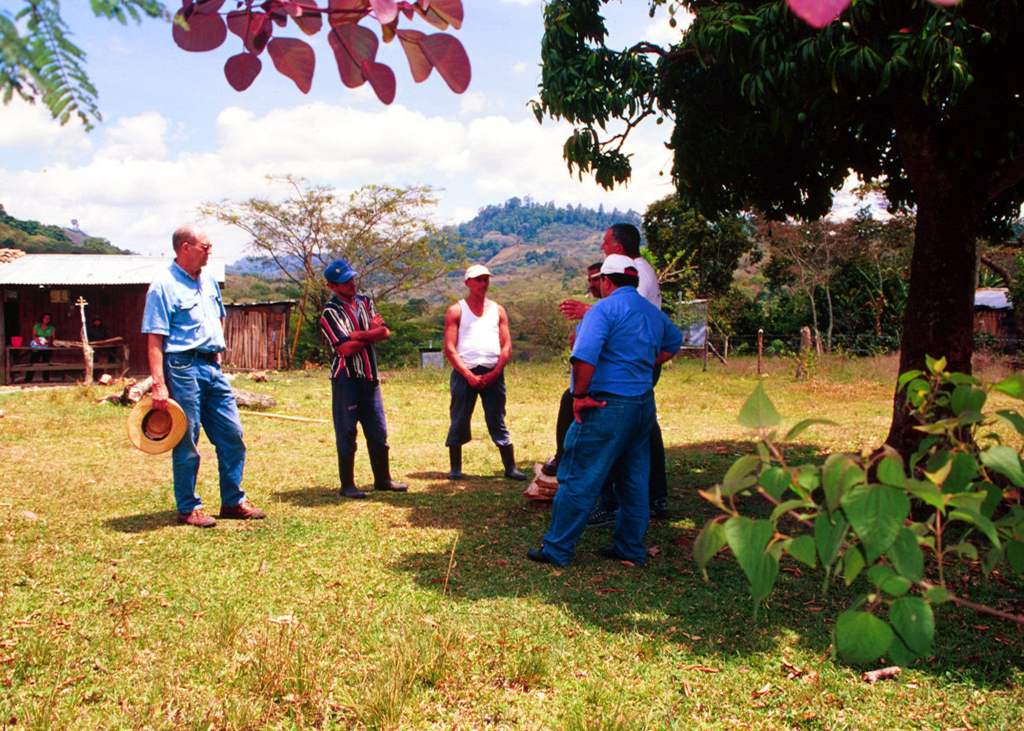
Charlie Taflin (l.) and Fred Jacob (far right), co-inventors of The Manual Chlorinator for decontaminating drinking water in rural water systems as well as being TASCA Board of Directors members. Here they are discussing the advantages of chlorinated water with community Water and Sanitation Committee (CAPS) members. Jinotega, Nicaragua 2003.
OUR WORK/OUR MISSION

TASCA’s mission is to initiate and support programs and projects that improve the health and life of people in rural communities in Nicaragua. Our focus is on clean drinking water, environmental protection, sustainability, sanitation, protection of the watershed, community development, and respect for all people. TASCA staff work closely with rural communities and Nicaraguan governmental health and water agencies.
In 2026 TASCA Board of Directors voted to expand our mission to include organizations that support veterans. We are particularly interested in Veteran projects in Central America, especially those projects involving drinking water.
IMPACT
TASCA in coordination with Compatible Technologies International (CTI), invented The Manual Chlorinator for decontaminating drinking water in rural water systems in early 2000. When installed in a drinking water system, The Manual Chlorinator eliminates most harmful bacteria present in drinking water. The result is safe water and a healthier and more productive population.
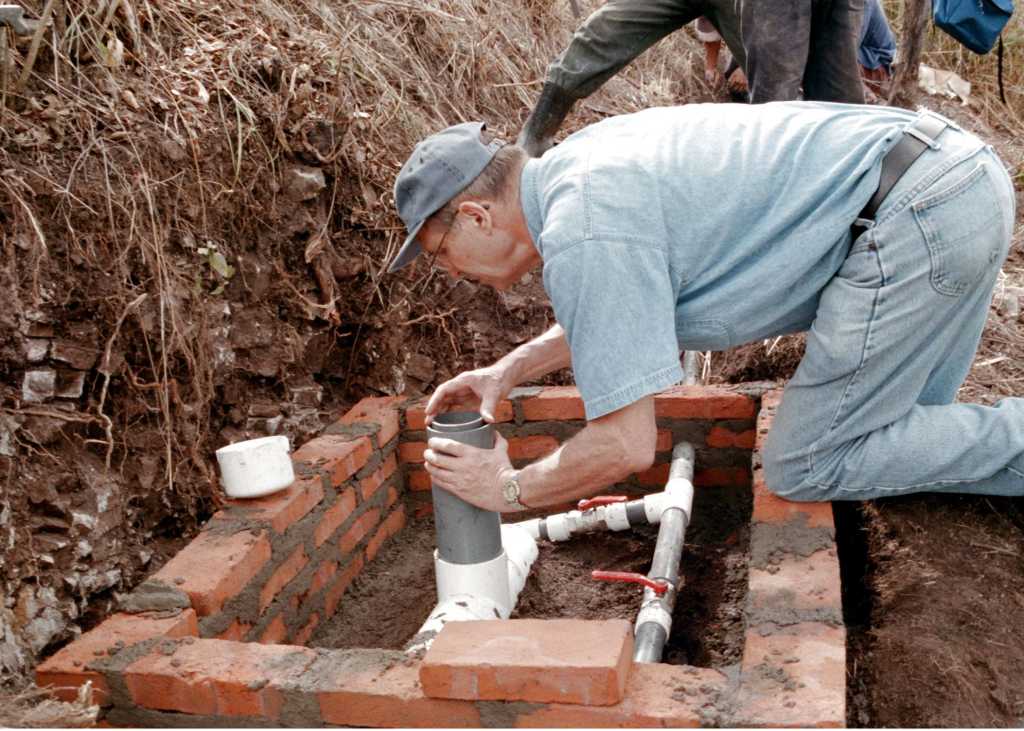
Left: Charlie Taflin, water engineer and inventor of The Manual Chlorinator inspecting the tablet tube that holds the solid chlorine tablets in the Chlorinator. When installed in a drinking water system, the Chlorinator eliminates bacteria harmful to humans.
A video of a rural community in the northern province of Jinotega. A grade school teacher explains the advantage of having clean water for the children to be able to wash their hands before eating to avoid getting sick from contaminated water.
SUPPORTING THE PUBLIC HEALTH CARE SYSTEM
Over the last 30 years in Nicaragua TASCA has installed over 450 Manual chlorinators supplying clean water to a population of over 450,000. We have also built and supplied six public health laboratories with materials and equipment, given scholarships for advanced degrees to over one hundred health personnel, and trained over one hundred and fifty laboratory technicians in advanced techniques. This support of the health care system improves the skill of the physicians, nurses, and laboratory personnel in patient treatment and diagnosis and increases access to quality health care for the population.
Right: Dr. Julio Caesar Agosto, the first TASCA scholarship recipient achieved a Masters degree in Public Health in 1994. He still practices medicine and resides in the rural community of El Cuá.

Right: Dr. Robert Harvey, founder and main force of TASCA, instructing a laboratory technician in water analysis technique. Matagalpa, 1996.

TASCA BLOG UPDATES
TASCA UPDATES
RESTARTING TASCA has renewed its mission and work after being dormant for four years due to the untimely death in 2016 of our main support, Dr. Robert Harvey. TASCA needed to reapply for official status, and TASCA applied for and was granted status as an officially recognized NGO (Non Governmental Organization-501 (c) (3) by the…

THE MANUAL CHLORINATOR CONSIDERED “WORLD LEADER” IN WATER DISINFECTION
The following quote is from Riley Edwards, Chief of Staff, Accelerator and Programs, at Evidence Action, a global health and development non-profit based in Washington D.C.
“Fred, you may already be aware of this, but academics working on drinking water disinfection have done a lot of work on validating different device designs and found that your design is a world leader. Here is an example study. We here at Evidence Action work closely with the scholar Amy Pickering out of University of California Berkeley, and she is a big advocate for your design!
In India, we’re in a really fortunate spot where the Indian government is making large investments in water access and quality, so we’re able to nest the program under the broader effort. I don’t have the latest numbers on how many people we’re reaching [with The Manual Chlorinator], but it’s in the high tens of thousands or low hundreds of thousands, and we have plans + funding to bring it to millions, so we’re very grateful for the work y’all did to make it possible!”
 TASCA
TASCA 